
No products in the cart.

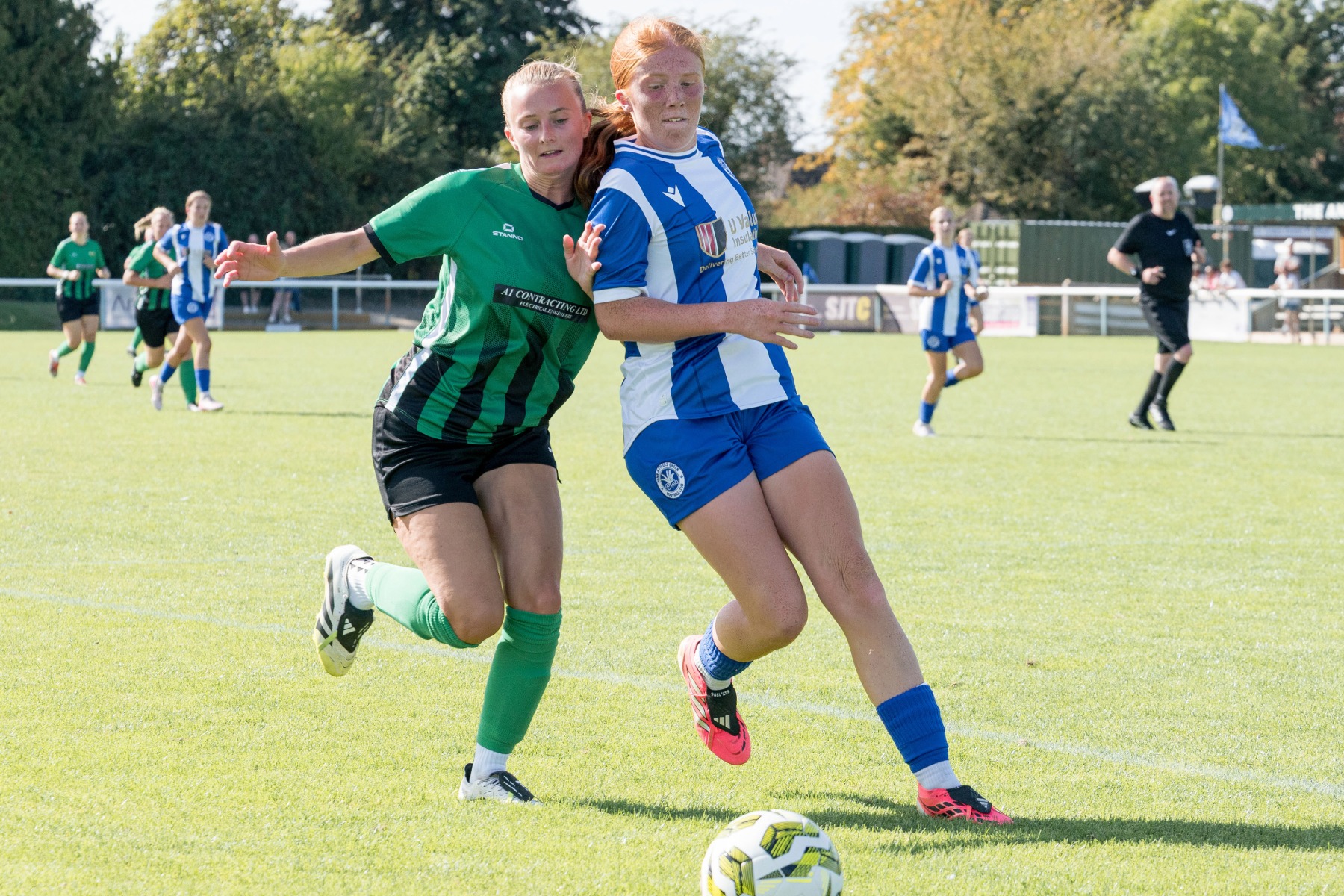
Women beaten by last-gasp Finchampstead strike
PENN & Tylers Green Women suffered a cruel late defeat away to league leaders Finchampstead on Sunday, going down 3-2 after conceding in the final minute of the match.
A progressive-overload finishing game. Six to eight players on a back line, alternating teams along the line (bibs and non-bibs, so each neighbour is the opposite team), every one of them with a ball. One keeper in a big goal, plus a small goal off to the side as a counter target. Players come in one at a time, each new one tipping the balance: the first is one against the keeper, the next makes it a 1v1, then a 2v1, a 2v2, a 3v2, and on until the sides are even (3v3 with six players, up to 4v4 with eight). Whoever has the ball attacks the big goal; the instant the defending team wins it, they break the other way and score in the small goal. Each new wave starts when the last ball is dead, and the new player always arrives with a fresh ball.
Created by Danny Jordan
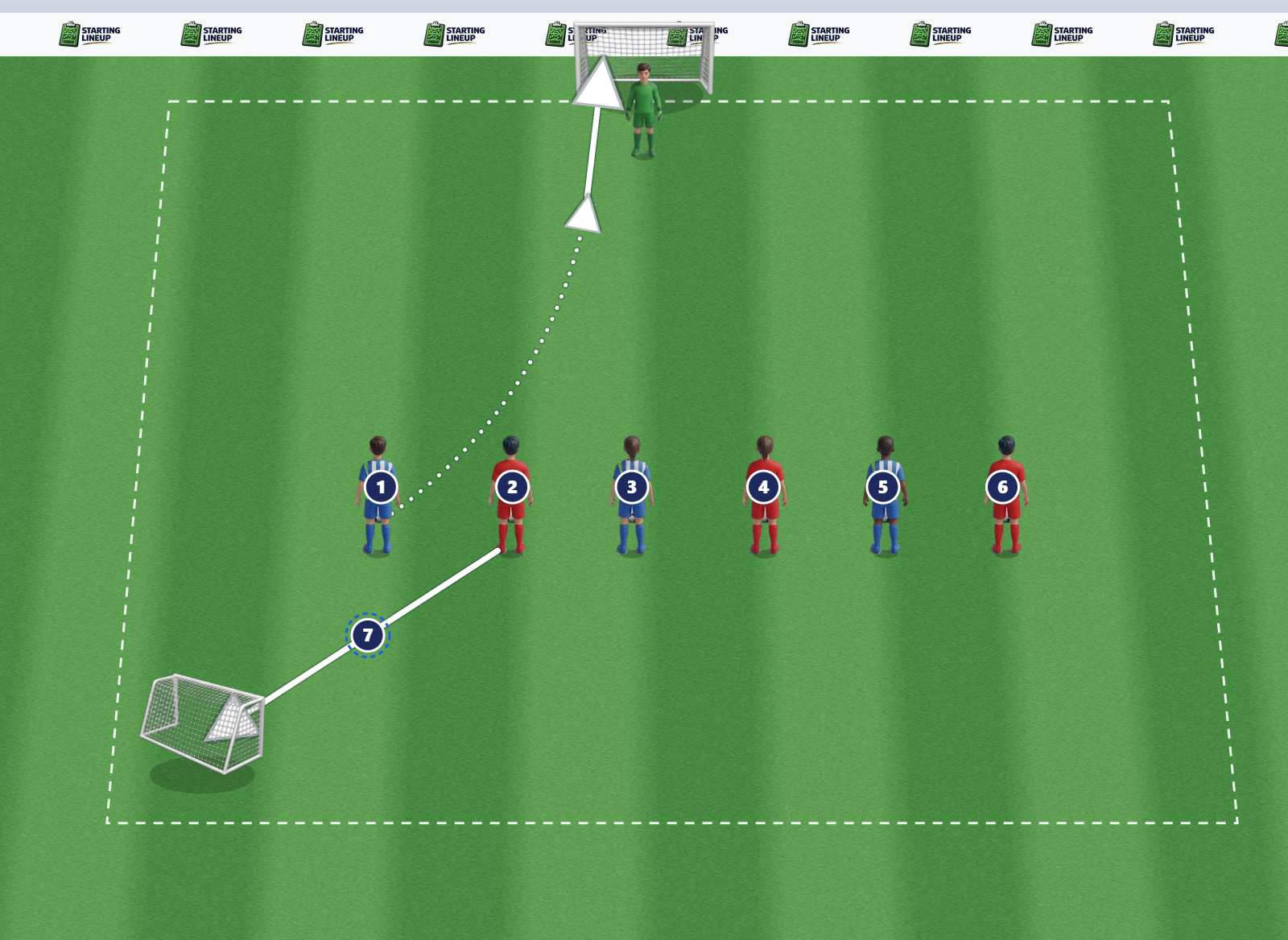
A continuous attack-and-defend game that overloads one way then evens up: score in the big goal when you have the ball, and the instant you win it back, break the other way and score in the small goal. Reading quickly who is attacking and who is defending as each new player arrives is the whole game.
A big goal with a keeper. About 30 yards out, a back line of six to eight players alternating teams (bibs and non-bibs, so each player's neighbour is the opposite team), every one of them with a ball. A small goal off to the side and slightly behind the line, facing diagonally into the pitch, as the defenders' counter target (no keeper in it). Reds versus blues, or bibs versus non-bibs. Any number from six to eight works, odd numbers included.


PENN & Tylers Green Women suffered a cruel late defeat away to league leaders Finchampstead on Sunday, going down 3-2 after conceding in the final minute of the match.

PENN & Tylers Green produced an excellent away performance to secure a convincing 3-0 victory over North Leigh on Saturday, extending their positive run in Combined Counties League Premier Division North.